
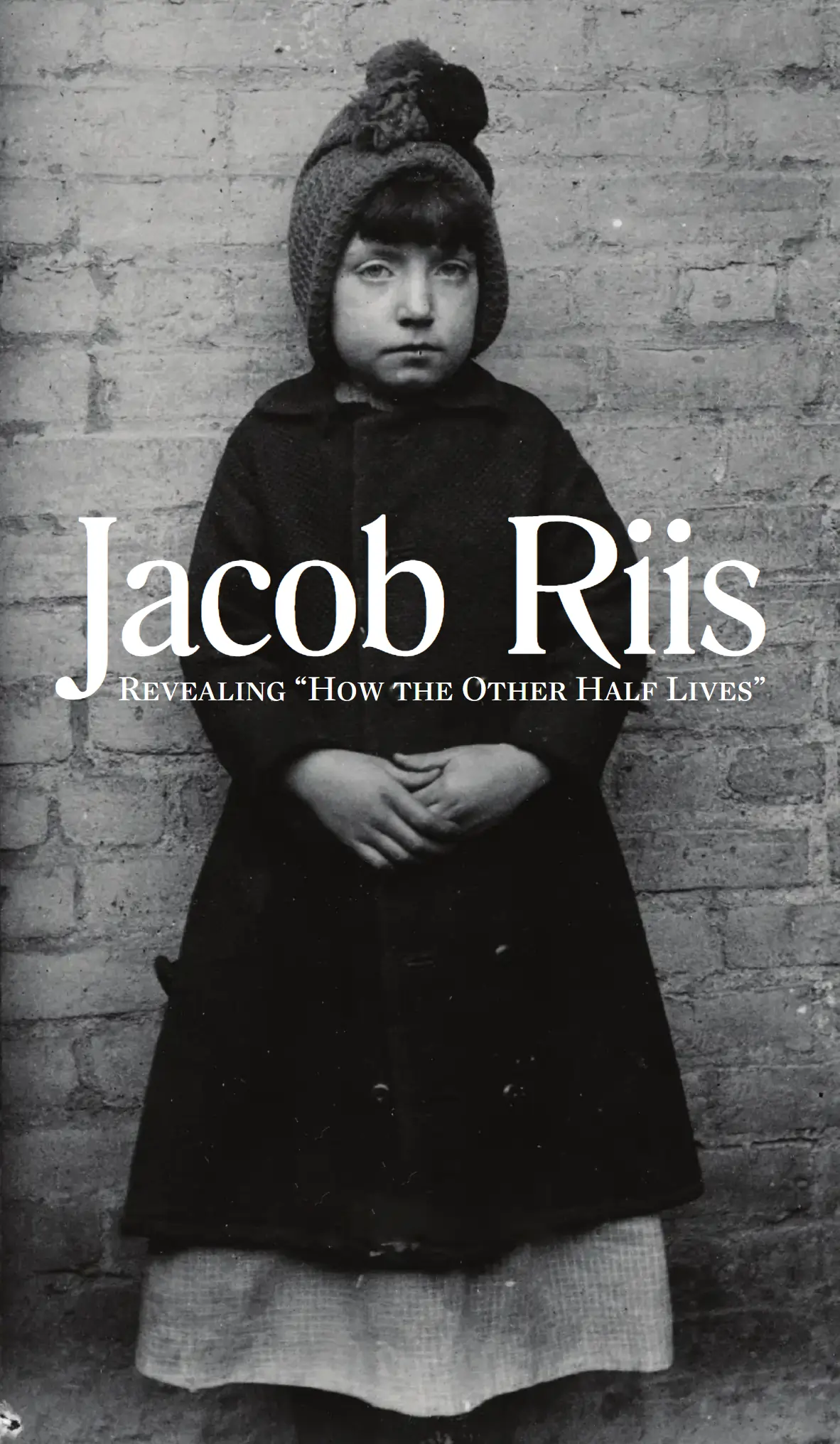
Main Themes and Content:
- Tenement Life:
Riis documented the overcrowded, unsanitary tenement housing where immigrants and working-class families lived. He described cramped rooms, lack of light and ventilation, rampant disease, and pervasive poverty. His writing and photographs (using early flash photography) revealed scenes of squalor that middle- and upper-class New Yorkers often ignored. - Immigrant Communities:
The book highlights the struggles of marginalized groups, including Irish, Italian, Jewish, Chinese, and Eastern European immigrants. While Riis aimed to evoke empathy, his depictions sometimes reflected the ethnic stereotypes and prejudices of his era. - Social Inequality:
The title itself—How The Other Half Lives—underscores the stark divide between the wealthy and the impoverished during the Gilded Age. Riis argued that systemic neglect and exploitation perpetuated this inequality. - Call for Reform:
Riis blamed greed, corruption, and apathy for the crisis. His work became a catalyst for the Progressive Era, pushing for housing regulations, sanitation improvements, child labor laws, and public health initiatives. His advocacy influenced figures like Theodore Roosevelt, then a New York police commissioner.
Historical Impact:
- Urban Reforms: Riis’s exposé helped pass the 1901 New York State Tenement House Act, which mandated better lighting, ventilation, and sanitation in buildings.
- Muckraking Journalism: The book pioneered the use of photography as a tool for social change, inspiring later reformers and journalists.
- Legacy: Riis is remembered as a pioneer of social documentary photography and a key figure in the history of urban reform.
Criticism:
While revolutionary, Riis’s work has been critiqued for its paternalistic tone and ethnocentric framing of immigrant communities. Nonetheless, his vivid storytelling and images forced America to confront its “hidden” poverty and remains a landmark in social justice literature.
Reviews
There are no reviews yet.